
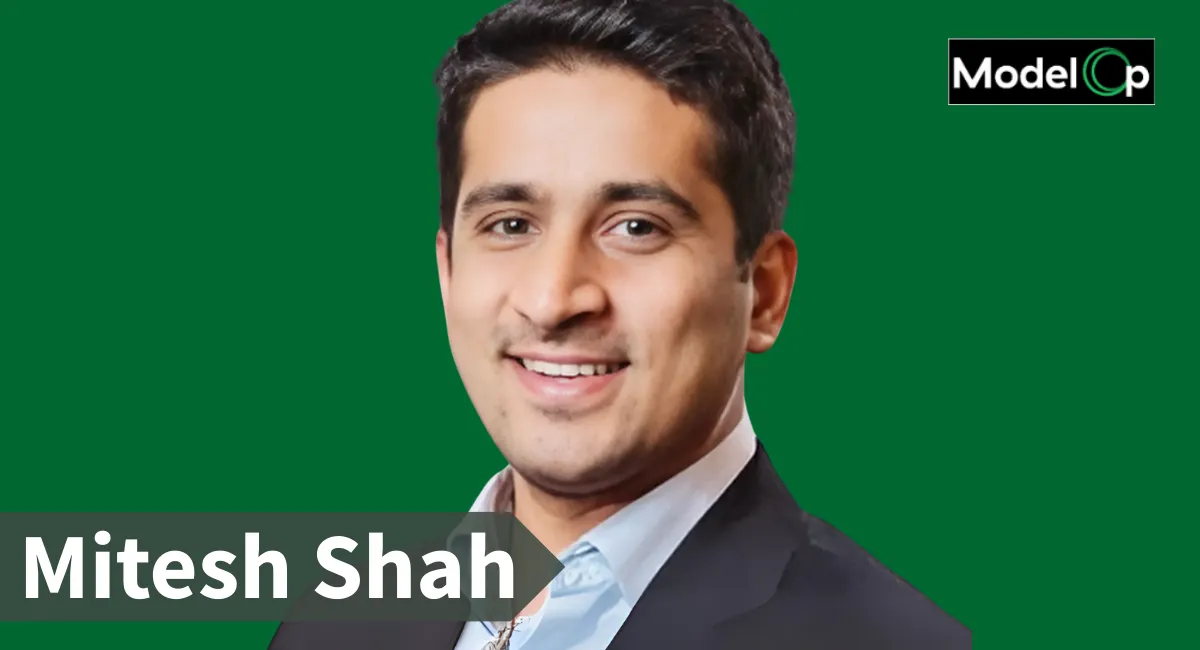
In this episode of Good Decisions, host Jay Combs talks with Mitesh Shah, senior lead product manager for AI personalization and agentic commerce at PayPal, about a company trying to move from payment utility to commerce platform while payments themselves become a race to the bottom. Mitesh explains the upstream ambition: instead of appearing at checkout as an afterthought, PayPal wants to establish identity and preference the moment you land on a retailer's site — or inside an Instagram ad — and increasingly inside ChatGPT and Perplexity, where younger shoppers now begin. His argument for why PayPal can do this is transaction history: a retailer sees only its own slice of your behavior, while PayPal sees where the money actually goes, which is a far stronger signal than what you type into a search box. Against that sits trust, which he treats as the core business asset rather than a compliance checkbox, describing anonymization, cohorts, full opt-out, and a visible log of when your profile influenced a recommendation. The conversation also covers his path from manufacturing operations in India to Silicon Valley, why micro-entrepreneurs at Square forced his team to simplify rather than complicate, using velocity to win leadership buy-in, and the Toyota andon cord as a model for pulling a product when trust is at risk.
- Why payments is becoming a race to the bottom and PayPal is repositioning as a commerce platform.
- Moving upstream: establishing identity at the retailer's site or inside an ad rather than at checkout.
- Why transaction history is a stronger personalization signal than search or browsing history.
- The agentic commerce problem set: authorization, fraud prevention, and transaction limits for AI agents.
- Building trust as a product feature — anonymization, cohorts, full opt-out, and a visible influence log.
- Why legal and security belong in the product design room from day one, not as an approval gate.
- Following the spirit of upcoming regulation instead of scrambling when it lands.
- Why nonlinear careers build a toolkit, and how manufacturing experience shapes product decisions.
- How micro-entrepreneurs at Square forced the team to simplify to two questions.
- Using velocity to win leadership buy-in: ship in three months, then layer complexity.
- The Toyota andon cord as a governance model — shut it down entirely until it's fixed.
- Why a platform layer with built-in guardrails beats asking every team to get AI right.
[00:02] – Cold open
[01:25] – Introduction
[03:19] – What the role actually covers
[03:43] – Why payments is a race to the bottom
[04:29] – Personalization for users and merchants
[05:00] – The shift to agentic commerce
[06:15] – From payments platform to commerce platform
[07:14] – Getting mind share upstream of checkout
[08:27] – Extending beyond the website into ads
[09:37] – Whether you will shop through an assistant
[10:41] – Partnering with ChatGPT and Perplexity
[11:15] – Why transaction history beats search history
[11:49] – Where to start with a transformation this large
[12:45] – MCP, A2A, and dreaming up the future state
[14:15] – Being okay with getting it wrong
[15:23] – The proliferation of agents
[16:29] – Job one: giving agents a way to transact
[17:38] – Job two: understanding the user deeply
[18:08] – PayPal's end-to-end view of behavior
[19:17] – Personalization vs. trust and risk tiers
[20:33] – Why trust is the core business asset
[21:23] – Anonymization, cohorts, and user control
[23:06] – Showing users when their profile was used
[23:37] – Earning the right to play in this domain
[24:33] – Responsible by design
[25:11] – Embedding legal and security in the product room
[25:55] – Keeping up with a patchwork of state regulation
[26:45] – Following the spirit of regulation early
[28:41] – From mechanical engineering to product management
[29:53] – Why nonlinear careers build a toolkit
[30:35] – What manufacturing taught him about real users
[31:43] – Technology as a tool, not the point
[32:15] – Empathy for the small business owner
[33:42] – Where the guiding principle came from
[34:44] – Registers, Excel, and the reality on the ground
[35:10] – The gap between Silicon Valley and regular businesses
[36:42] – The Square lesson: simplify, do not complicate
[38:50] – Turning insight into immediate action
[39:52] – Why the best product managers simplify
[40:57] – Peeling the onion and showing velocity
[43:24] – The beachhead feature
[44:15] – Common mistakes junior PMs make
[46:36] – Upload your statements and see what AI infers
[47:25] – Pulling the andon cord
[48:08] – Why you need a platform layer with guardrails
[50:05] – Lessons for his younger self
[51:03] – Making the technology invisible
[51:51] – Do not wait for perfect information
[53:28] – Never compromise integrity or trust
[55:39] – Rituals: happy hours, hiking, and masala chai
[59:27] – Closing remarks
Mitesh Shah: What's happening in the world of payments? It's becoming a race to the bottom, right? A lot of these payment companies are being squeezed on margins, a lot of competition from the likes of Apple Pay and Google Pay on the branded side. PayPal in this transformation phase where it's trying to go beyond just being a utility provider to becoming a full-fledged commerce assistant and a commerce platform.
The unique thing about PayPal is
Jay Combs: meet Mitesh Shah, an experienced AI product leader who has worked at Block, Uber, and Amazon. Currently heading AI personalization at PayPal, he leads a $500 million plus revenue opportunity with advanced commerce APIs. He previously launched over 20 AI-driven products at Block, combining technical expertise with strategic business insight to help product managers succeed in the AI-driven landscape. Are there common mistakes that you're seeing maybe more junior PMs or engineers make when relying or overly relying on some of these new fangle tools that are really exciting?
Mitesh Shah: AI world is very interesting where that old thinking of go fast and break things doesn't work. You have to be responsible. The technology itself is just a tool at the end of the day. If you are extremely curious and extremely passionate about solving user pain points, then you will naturally gravitate towards the technology that has the most potential.
Jay Combs: What are the most important challenges that you're trying to solve for your primary users?
Mitesh Shah: The one biggest challenge that we saw
Jay Combs: before we jump into today's episode, I want to share something that's going to help you elevate your AI strategy. The 2025 AI governance benchmark report from ModelOp investigates why enterprises struggle to scale AI innovation provides a road map to overcome these challenges and will show you how your AI governance practices compare with industry peers. It's free and only takes a second to download. The link is in the description.
Don't miss out. Welcome to good decisions, the podcast about the pivotal moments shaping uh careers, technologies, and the human decisions behind AI and technology. Today's guest is Mitesh Shah, the senior lead product manager for AI personalization and agentic commerce at PayPal. He is a graduate of both the Indian Institute of Technology Bombay and the Harvard Business School.
Um, Mitesh combines deep technical roots with strategic product vision, leading large-scale AI programs across Amazon, Uber, Block, and now PayPal. From launching APIs that power half a million small businesses to scaling intelligent digital commerce agents. Mitesh's mission is about accessibility, making cutting edge AI usable and effective for builders everywhere from startups to global retailers. Mitesh, it's a pleasure to have you here.
Welcome to Good Decisions. How are you today, Jay?
Mitesh Shah: Thank you so much for having me. Really excited to be here. Um, I love the focus of this podcast is on actual decision-making process. You know, so many conversations skip straight to the outcomes and ex they don't really explore the messy middle where the real choices happen.
So, that's really the valuable where the valuable lessons are. So, I'm looking forward to digging into some of those pivotal moments with you. So, super excited for this conversation.
Jay Combs: Fantastic. Yeah. can't wait to dig into your values and your frameworks. Um, so let's let's just start with an introduction though.
Can you tell us about your current role at PayPal and what exactly a senior lead product manager for AI personalization and agenda commerce does?
Mitesh Shah: Yeah, absolutely. So, you know, like you mentioned, I'm I'm in this zero-to-one team at PayPal and you know, PayPal is in a bit of a transformation moment right now. You know, PayPal as most of the folks already know is like a payment provider and uh what's happening in the world of payments is it's it's becoming a race to the bottom, right? Like you know uh a lot of these payment companies are being squeezed on margins.
There's a lot of competition uh from the likes of Apple Pay and Google Pay on the branded side and you know the like likes of Stripe and Adyen on the unbranded side. So really, you know, PayPal is in this transformation phase where it's trying to go beyond just being a utility provider to becoming a full-fledged commerce assistant and a commerce platform uh to some extent. So that means adding value to both sides of the ecosystem, you know, both the users as well as the merchants. So, my role at PayPal is, you know, I'm I was hired onto this completely new team that's trying to leverage all the data that PayPal has about its users and really drive personalization in a responsible way.
Uh, and we're looking at a bunch of like personalization ideas including uh giving product recommendations based on your transaction history or giving you recommendations on what is the best way to pay using your PayPal wallet. uh you know if you have 10 different credit cards what is the best uh like what is the way you can get the most rewards on a particular checkout right so by bringing in this value added features we want to be differentiated we want to be ahead of the competition so that's really what I focus on and increasingly uh my focus has also shifted on agentic commerce so now we're in this completely new world where instead of humans AI agents will be transacting on behalf of uh humans So that opens up a whole whole different set of challenges to tackle you know right from how do you prevent fraud? How do you know whether this agent was actually authorized by a real human? What are the transaction limits and so on and so forth.
So it's a super exciting phase. We're very early on in this zero-to-one journey. We're exploring a lot of different ideas. We have a lot of really cool demos but you'll see a lot of these things um going out in the market in early next year.
So yeah, as a senior lead product manager, like I'm responsible for basically focusing on how do we get the most out of our data? How do we position ourselves as a differentiated player in this in this fintech space? So that's really what I focus on, Jay. Yeah.
Jay Combs: So lots lot to go through there. So I think we've all seen the ads with Will Ferrell about paying anywhere and everywhere. And I know uh PayPal's talked about PayPal world which is this global commerce platform. You talked about how it's you're kind of in this phase of going from the this uh perception of being just a payments transaction platform to a commerce platform.
When you say commerce you mentioned things like personalization automation with agents like what exact how does that differ from a payments platform um as you're going to this bigger vision of a global commerce platform? What's different there? Yeah.
Mitesh Shah: So like the big shift that we want to drive as part of these efforts is um how do you change the perception of PayPal, right? Like you think about PayPal when you finish your entire shopping journey and then you're on the checkout page and there you're presented a bunch of payment options and you know at that point you just pick the one that you feel might be the right payment option for your purchase. Right now when we say we want to become a commerce provider, we want to be uh you know we want to get the mind share of both the users and the merchants way upstream. So when you land on let's say a lululemon.com can we position ourselves there and you know start identifying you as the user you know and let's say you know you're a user who has transacted previously with uh a bunch of other fitness products right like we probably know something like your price propensities what kind of styles you like so we want to use a lot of that data to help Lululemon personalize their experience for you as a user and also help you as a user to you know make your e-commerce journeys more easier, more seamless uh so that you don't have to spend a bunch of time explaining uh you know filtering through a bunch of things if you're on traditional website or if you're in the agentic world you know trying to explain the chatbot that might might be live on Lululemon that hey here's my style here's what I like so we want to cut out all that process and be a very value added player throughout the person's shopping journey.
Um, you can even extend that beyond the website itself. Let's say you see an ad on Instagram for a Lululemon, a Lululemon product. Um, can we establish your identity right then and there itself? Can we, you know, load your wallet in the Instagram ad itself and provide you a way to pay in the ad itself without having to navigate into Lululemon's website.
So that's what I mean by being like a full commerce platform where we can take care of like your end-to-end shopping journey and not just be an afterthought when you're at the payment or the checkout page.
Jay Combs: Yeah, journey is definitely the right I think the right term and just I we've only been at what e-commerce for the last what 30 yearsish 40 years 30 40 years I guess at this point but we're so used to that human interaction even you know searching for something manually finding it yourself you might get some personalized recommendations on a site but then you go and check out you pay like put your credit card in and it's like it's just become second nature to all of us and potentially talking about a multitude of different things. One just maybe some better personalization based on past clothes you've purchased, but the whole that transaction journey fundamentally changes. Are you implying like, hey, I could go into ChatGPT and say, hey, I want to purchase like my favorite shirt from, you know, the best deal that I can find and through one of those um, you know, large language model services, I can go out and find it almost purchase it for me. Is that kind of the direction that you're headed?
Yeah. Yeah. Yeah.
Mitesh Shah: You're exactly right. I mean there is this you know we don't we don't necessarily believe that the whole traditional shopping model is just going to go away but you know there's this new modality that if you talk to a lot of like Gen Z uh users they almost always start their shopping journeys in a ChatGPT or a perplexity and they would often just say hey I'm planning a trip to Greece you know can you help me book hotels like find some good clothes and they expect the agents to now kind of understand them and then also give them the right set of brands, right set of products. So that is definitely the next set of opportunities that we are trying to go after is can we partner with ChatGPT and perplexities of the world and say hey like you know we know the user right like they are transacting with us day in day out so when they ask you these kind of questions we can not just know what they're searching for or what they're typing into ChatGPT we actually know what their transaction history is which is a much more higher signal attribute because that's where the rubber meets the road, right? Like you could be searching about a lot of like budget apparel.
But if your actual behavior is more on the luxury side, like that's an important signal that we marry and make sure that the recommendations you're seeing as part of the agentic workflows match your lifestyle, match your price propensities and things like that. So that's also definitely another direction that we are actively exploring and you must have seen a lot of announcements, partnership announcements done recently with perplexity in the space.
Jay Combs: I'm curious like where are you from the outside looking in and may for folks maybe not in the AI world, you know, day-to-day, it feels like such a transformational shift in purchasing behavior, buying behavior, just how we navigate um brands and the world online. But so where do you start? You talked about, hey, you're seeing younger buyers like this is a natural behavior for them. Like where do you start with this transformation process of the old world of digital commerce to this new world?
Like how did you break like all right there's so many places you could start where are you starting and how did you come to that uh conclusion this is the best place to kick things off?
Mitesh Shah: Yeah, I mean you know like a lot of this is evolving at breakneck speed, right?
Jay Combs: So yeah, nobody knew what it was until um what was it? November, December, couple months ago, 7 months ago, eight months ago, I guess, right?
Mitesh Shah: Absolutely. You know, like this now this whole new framework called MCP and A2A have just burst onto the scene and now you know you can we've not even I don't think we've even built out the capabilities right now that can make an end-to-end commerce journey even possible, right? um it's still being built out, but you know, you want to be, let's say you're a founder or a product manager, and it doesn't really matter like, you know, what space you're in, but you've always got to kind of keep an eye out on the, you know, the art of possible, right? Like what will commerce look like 10 years from now?
And if you really start like putting these pieces together, you know, the advancements that we're seeing on the LLM side, you know, now we've gone from instruction following to very deep reasoning and then this whole ecosystem that's getting built around MCP tools. Most large companies are creating publicly available servers that can hit their APIs just through like these conversational interfaces. And you can now quickly see and all of this behavior that the shift in behavior that we are seeing uh with younger people even you know my mom uses ChatGPT now. So you can see how quickly this technology has diffused and if you add all of this together you know if you want to be a company that wants to stay relevant or if you want to be a company that builds products for the future you really need to understand what this future will be and start building towards that.
But then also be okay with the ambiguity that you might build a certain way and get it completely wrong. And then you have to kind of go back and you know rehash some of the things and we've made our fair share of mistakes in assuming that you know we want to do uh this piece of the puzzle and then we were wrong because you know there's someone that can do this better and we are actually more suitable in some other place. So I think it takes both you know just keeping yourself up to date on what and also just dreaming up the future you know that's a really important skill now that you know coding is automated and everything is automated like you just need to be able to dream up what that new future state would look like and but then also start executing towards that in these small steps and being very open and uh okay with the fact that you will fail multiple times and then you'll have pivot uh until you iterate yourself into like a niche that really works for you and your company. So I would say like that's that's the way to approach this moment of transformation.
Yeah.
Jay Combs: And you've only been at PayPal I think for about 8 months or so which in the tech world or AI world is an eternity but in human life is still a very short amount of time. So, as you've kind of dug into some of the challenges and the vision that PayPal is laying out, like how where are you starting from a I guess a product perspective with their users? What are the most important challenges that you're trying to solve for your your primary users uh with uh this type of commerce? Yeah.
Yeah. Yeah.
Mitesh Shah: So, I think the main thing that we want to solve for is you know users there's going to be a proliferation of agents, right? So you will see agents in the form of the ChatGPT and perplexities of the world and claudes of the world. So these are you know think of them as you know front door into AI right and then you're going to see agents popping up on all the websites that you already use. So like Amazon might have an agent, right?
And then even smaller brands are probably just going to have an agent that you can set up, right? So the one biggest challenge that we saw was as a payment provider one like all of these agents are going to need some way to transact right that's problem number one and that infrastructure doesn't exist right now right so it does exist but it's not fully mature and paying can take a bunch of different forms right there's subscription payments there's like one-time payments there's all kinds of use cases where you want to send an invoice to someone and then they pay against that invoice. So there's like the payment links use cases when you're doing payments. There's obviously a lot of the underlying fraud detection that you need to do.
So the job to be done number one is how do you take all of these things that were built in the era of internet and then take it to the world where agents are going to proliferate across across the board and they like most agents will not just want to give you information back but they will actually want to conduct transactions on your behalf. So how do you open that toolkit uh the PayPal toolkit to these automated agents? That's job number one. And the job number two is with the proliferation of this AI technology, you know, how do you try to like understand a person deeply so that you can take away a lot of hallucinations from that the agent might run into or just the cognitive load uh when when you're actually trying to make decisions in real world, right?
So that's I think the second order problem that we want to solve for. And the unique thing about PayPal is if you think about Amazon or if you think about Macy's or any of these commerce providers, they have a very unilateral view about your your shopping behavior, right? Like you might go to Amazon and you might only use it to buy $20 t-shirts, right? Because that's how you associate Amazon.
But then you might be completely going out and splurging on you know extremely Loro Piana uh sweaters or something like that right but that's you know that's a disconnect that Amazon will never know but the good thing about PayPal is we are able to see your end-to-end transaction behavior and that's a huge superpower where we can try and piece together a set of dimensions about you and use that to give you very personal personalized recommendations when you're trying to find the best hotel to stay in Greece, right? Like we will we'll know what kind of budget budget you have and what kind of products that you're interested in. That is the vision that we are trying to build and that's the problem that we're trying to solve for the user.
Jay Combs: Interesting. So take me beyond just some of the in the challenges like I love how you broke down the different types of payments. It's one way to think about it. Hey, let's start here.
Maybe subscriptions have the most friction. We can make that better for the user. we've got enough data because I you know once I run out of you know you run out of toilet paper or paper towel you're like hey I wish I had ordered this yesterday so I absolutely see that but you talked a lot about personalization we have a lot of data on this user this user so the flip side of that coin of personalization is trust and thinking about the different risks or the risk tiers of these different use cases we've all like seen the flash crash from you know around the when did that happen around the time the uh financial crash. So, anytime the money in transactions are getting involved, the risk goes up exponentially.
So, curious how you think about risk and data privacy as you're making these decisions because you I think you'll have half of your you know, you usually like, hey, this is great. I love it. I trust it. Let's I'd rather make this a smooth transaction.
But you'll probably have half the group saying, hey, you know what? I don't want PayPal knowing this much about me. How do you make sure that you're you're serving both of those segments and applying the right risk tiers to make sure that you're protecting your customers? Yeah.
Mitesh Shah: No, that's absolutely the uh the central question that we try to answer in inside PayPal because you know PayPal has been known for being the trusted way of paying. Uh and we see this behavior a lot where you know people will choose PayPal when they're shopping on a website that they're not really sure about you know where they where they feel that the risk is high that's where when they turn to PayPal rather than putting their credit card down on the web form right so the trust part is critical to the core business uh the core business that PayPal has and we don't want to burn that trust to build AI products uh that are coming out of PayPal because you know as you can imagine one bad PR and like one bad way that we have handled the data in an irresponsible way can lead to breaking the trust in the core business. So that's where you know we build responsibility and fairness and checking for bias and also user control as a product feature right from day one. So you know our vision is to not just like you know sell your data to ChatGPT or perplexity uh and say hey like you know here's the data do what do you want to do with it that's definitely not the vision like the vision is you know really kind of understanding you personally as a user and also anonymizing and creating cohorts for the users whenever it's possible like there are some use cases where we want to get super personalized hyper-personalized but then there are some use cases where we don't want to know that much about the user's behavior right so just making sure that we are using anonymization and um you know building cohorts as a as a tool that's definitely one approach the second approach is giving complete user control to uh our users so whenever we are inferring an interest let's say we say hey we think that you are interested in these type of products right you have full control of saying you know what I don't want this to influence any of the personalization that you're doing on me.
Uh that's one. You can completely opt out of personalization as well. And that's something that historically companies haven't done. You know, like you can you can you know on Google you can say show me less of this or show me more of this like you know but you can't totally opt out.
But we are taking this approach of like giving our users full control of what this personalization is going to drive. We will also show them a rich history of where were we able to use your profile to drive what kind of recommendations. So if we were able to influence the results that you saw on ChatGPT that will be logged as a history and we'll say hey like we used your affinity towards this particular interest to influence your decision and this is what the decision was influenced and they can say hey like you know I don't want this to happen in future or yeah sure this is great you know do more of this. So and in our internal research we have seen these behaviors where you know there are people like me you know I don't mind sharing all my data because I love these AI products and I love that you know they can like actually tailor the product for me instead of going through a huge catalog but you know for example my wife you know she will just decline everything.
So our goal is that you know we build products in such a way that over a long arc you know over a long horizon we are able to switch more and more people to opt into these AI experiences because AI is powerful it can do a lot of things for you but there are real in the wrong hands I think you know it can do severe damage so we want to earn a right to play in this domain and uh we know that it'll take a long time for us to win that trust uh and that's okay. I mean that's that's the product strategy where you know we want to invest that time. We want to go slow um wherever we need to but make sure that we are building a product that is sustainable that has the users trust in the long run because some of that has been burned by you know uh how we've done AI in the past couple of decades I feel like
Jay Combs: yeah I've heard the term like responsible by design or control by design um is kind of a phrase led by you know by AI teams of whether it could be sometimes technical folks or sometimes more compliance folks but building that into your design framework and decision-making seems to be gathering steam at least in the fortune 500 world.
Mitesh Shah: Yeah, exactly. And you know a lot of teams take this approach of getting approvals from the product broad product sec teams or compliance and legal teams right but we see this as like the four in a box right like that's a term that enterprises use where you know you need to have the product manager the designer the engineer the data scientist in a room to make decisions we've expanded that we think that you know having your legal folks and your you know security folks embedded into the product design from day one is absolutely the right way to build products in today's day and age. So that's where you need to be a little bit ahead of the curve and really build with responsibility as a feature not as like an afterthought
Jay Combs: as a product manager. I mean you obviously pay you've got legal teams, compliance teams, technical teams, so many people at your kind of your fingertips. How do you stay up to date on regulations, especially at the state level here in the US and obviously being a global company globally, but you have uh the Colorado Consumer AI act, you've got uh in California has passed a slew of different legislation, I think most probably relevant to what you're working on is AB 2013, which talks about um disclosure of training data for generative AI or LLM models. So, do you how do you work that into your build process?
Do you rely on your legal team? Do you do your own research? And how do you make sure that your your products are complying with this patchwork of regulation that we have?
Mitesh Shah: Yeah, I think yeah, I mean that's where again like this goes back to being proactive, being more prepared. So you know I think as a this is such a rapidly evolving space that I think it's important for everyone in the company to be aware of what's being discussed. You know I think that just practically I feel like regulations can you know can be a little bit more you know overprotective sometimes they can they can be designed in a way uh that throttles innovation sometimes. But what you need to understand is what is the spirit behind some of these regulations that are upcoming.
Right? So leverage your legal teams, leverage our compliance teams or you know just stay up to date. If you're an AI product manager, just stay up to date on what is being discussed. Right?
The Colorado AI regulation, you know, talks about how do you how do you incorporate reasonable care about algorithmic discrimination, right? or do you have a way of impact assessment uh of your model or is there a human appeal process for high-risk AI systems? So sure a lot of these regulations might come in 2026 but you want to be like you want to start following this in the spirit and make this part of your DNA uh rather than kind of scrambling when these regulations actually land. So I think you know especially in the world of AI you need to be a little bit ahead of the curve so that when these regulations actually come in you are like oh we've been thinking about this so this is not a big deal like we've already compliant to most of this and so that's the place you want to be in uh rather than scrambling when these regulations actually become reality
Jay Combs: the regulations are evolving quickly the techn technology is evolving faster you've um only been at like I said PayPal for a relatively short amount of time. Again, a long time in the tech world, but your background or at least your your your undergraduate degree was in mechanical engineering. How do I guess how did you go from, you know, a physical engineering background to get into data science and product management? I know you went through business school obviously, but you know, the tools and technology that you're using today didn't exist when you were in school.
I don't know what sort of continuous learning or decision methodology do you use when like hey new technology is coming out I want to maybe have my career follow this or I want to be prepared to handle that. How do you know when something new is coming out? How do you separate the hype from a new technology versus something hey this there really is something here that I can build on? How have you made those decisions or how have you evaluated new technologies to move your career closer to those so you can take advantage of them?
Mitesh Shah: Yeah, I think you know that's actually you know when I reflect on reflect on this and I've kind of jumped into like different types of industries and different kind of environments even made the transition from working in India to working in the US. So one thing that I feel like is I think you know if you are following a nonlinear career it's okay because you need to think about this as like you're building a toolkit of different skill sets and you are able to leverage on experiences that you learned in different phases of your career um and use that in very unexpected ways right so that is something that I've definitely kind of realized is to give you a very concrete Great example. I worked at like you know in like hardcore manufacturing operations as part of my earlier career and now I'm in like Silicon Valley like building all these tech products. If you worked in Silicon Valley you know this right?
Like a lot of times you get kind of boxed into this way of thinking and everyone you talk to you talk to your neighbors and you talk to your friends and everybody has an opinion about the latest GPT-5 model and what it's good at and what's not good at. So it's easy to assume that everyone in the world is actually as up to date as you are or your friends are but that is not the reality like I' I've like I've come from this environment which is very tech-deprived and you know tools don't proliferate into these environments at the same speed at which we see in Silicon Valley. So um that is something that has stuck with me that you know whenever I try to make a big product decision I try to reflect on my days and uh you know working on the manufacturing operations and I think is it ready for that like you know is that an environment where I can actually use this product. Can a small business use it or can someone in a in a small town somewhere uh really use his products?
Um so like those are the kind of things that I that have stuck with me and that have really helped me make those product decisions. And then I think you know the technology itself something I've realized is the technology itself is just a tool at the end of the day right if you are extremely curious and extremely passionate about solving user pain points then you know you will naturally gravitate towards the technology that has the most potential. um you will gravitate towards uh environments where you think you have the scale and the capacity and that has the culture uh to actually go solve problems that real users face. Um so I think that has been my guiding principle where um you know I've I started my career at Amazon and I started kind of building empathy around hey what does it take for a small business you know maybe a husband wife duo that's running that's trying to sell matcha out of their garage right how do you make them successful right if you just think about that one problem uh you know and then you'll quickly realize they need a way to orchestrate their inventory they need to know when to reorder their items, they need to know how to best create their website, how to make it more compelling, how to advertise, how to take payments.
So when you think about when you put yourself in the shoes of this non-technical entrepreneur who is just trying to hustle and make their business work and you just say that hey like I'm passionate about solving for them and giving them the right tools then it really doesn't matter like whether you're working for AI or working for something else because you're obsessed about like making their lives easier and helping them succeed. Um and that's that has been the through line of my career as well. Like I try to kind of find projects that are interesting that are trying to move the bar uh when it comes to like succeeding in commerce that help small businesses, solo entrepreneurs, you know, underrepresented businesses in some sense and that's why I've kind of gravitated towards the careers that I've gravitated towards.
Jay Combs: Has that always been a value of yours of helping, you know, small businesses or individuals adapt to new technology or take advantage of it? Was there something in school or a specific example when you were at I think you worked at Renault and then uh in some other like you said uh manufacturing automation companies, but what were you always like that or did something happen? Was there an event that said, "Hey, this is my guiding principle. This is what I need to follow."
Yeah.
Mitesh Shah: So you know I think it's a combination of things uh Jay. So for me you know like I said you know I started my career uh in manufacturing and you know this was an environment where yeah yes yes sure like we had some of the best-in-class manufacturing equipment uh but it was an environment where we would still write things on a register and then you know at the end of the day I would like collect all those register put things in an excel and try to like root cause uh why we had like a 15% drop in our production rate today. So that was my reality for the four or five years that I was working in India. Right?
So um and I even back then and this was uh you know the like early 2010s. Even back then there were machine learning algorithms, right? I had my like people who I went to school with working at the Googles of the world and they would talk about machine learning and how big data is changing with Hadoop and Spark and all of these things. uh but I was like okay the reality on ground is completely different and that's where I thought sure like a lot of these being on the frontier of the technology is exciting and that's where the real innovation happens but there's a big gap in the middle where how do you take these technologies that Silicon Valley is innovating on and how do you diffuse it down to the regular businesses so I think I really saw a gap there uh just based on my more personal experiences and you know also it just felt like even when I was working at Amazon I felt like the mission of making products more accessible to consumers didn't resonate with me as much like I felt like oh like with Amazon you are giving more products to consumers that are already have a lot of choices you know that didn't excite me what excited me were the stories on the seller side I was like okay like you know there's someone who wanted freedom like wanted to start their own business.
They wanted to try an idea and now they're able to do it and reach to a worldwide audience. And you know those were the stories that really stuck with me and I was like yeah this makes a lot of sense. You know this is more empowering and this is the role of technology. You know technology should be a way for people way for businesses to go global from day one.
That's just something that stuck with me and that is something that I've been kind of following and it's it's been satisfying. Yeah.
Jay Combs: Was there a specific story at either Amazon or Block or Uber that really kind of jumps out to you is a really well-learned lesson? Yeah.
Mitesh Shah: I mean, you know, with when I was working at like uh Square, right? Like Square is we see a lot of these micro entrepreneurs use Square. So you can think of Square being used at like farmers markets or food trucks, right? And um you know I used to sit through a lot of these interviews that we would do with sellers to really try to understand their pain points.
And I was again like working on AI products there. Uh I was working on the AI platform. How do you make AI more accessible? And what really jumped out to me was, you know, if you ask somebody like we had this beautiful product design of how we wanted to transform our dashboard, like we have a dashboard.
Inside your square dashboard, you could look at all kinds of analytics on hey, how did I do across my 10 different stores? And then like what were my sales, what is my seasonal patterns across my different products. And when we were trying to think about AI, we were honestly making it too complicated. And then there was this moment where when we were talking to these micro entrepreneurs, we realized that, you know, they want something very simple.
They want something that tells them, hey, how did my business do today? And what more can I do, right? Like if you just help them answer these two questions, that's it. you know you've so like these small entrepreneurs force you to simplify your solution not complicate them.
Uh but if you're in the business of selling to enterprises you might want to do the other way around whether you want to give a lot of control to people. So you know we completely redesigned our approach. We said okay we want to uh solve the very basic question of how did the business do and was there an actionable insight that we can give to the seller that they can act on immediately that would help them like improve their business. So, for example, if we see that Tuesdays they're getting a slight decline in their sales uh in the overall week, we could say, "Hey, do you want to set up a coupon that allows people to get a 10% discount on Tuesdays?"
You know, and then do you want to send a marketing email for the phone numbers and emails that you have in your system to your most loyal customers? So if you think about the user and then try to solve a problem for them instead of thinking oh AI and like so like all of these terminologies they don't care about it you know they are trying to do a 100 different things they're trying to close out their inventory do their taxes and they have very limited bandwidth to interact with these tools so you need to be very on point about what is the insight and what is the action that you need to take and If you solve for that, you know, you will you will see massive adoption. And we kind of saw this in our in our small AB test. Uh when we did that,
Jay Combs: it seems like the best product managers really simplify everything. Like you said, hey, I just want to solve this one problem. I've got all this data, especially at PayPal and Amazon. You have unlimited data that you have to sort through and you have to apply that experience or simplify the problem.
Um how what I'm interested is like so you have access to all this data. You can probably get it to tell you any different number of things that you want. And you mentioned that, hey, somebody maybe at the enterprise level or different market segment might have different needs and they want more complex stuff. And that's probably a very important business segment for your business.
How do you convince higherups or leaders that hey, we really need to simplify and focus? I mean, the data might say one thing, but on a humanto human level, how do you get them to say, "Hey, we need to do something very different here." Um, and are there tactics or strategies that you use to help convince higherups to go a different way when their business is saying, "Hey, we should really focus on something bigger and different."
Mitesh Shah: Yeah, this is you know this is something I feel like you know that's the art that you need to get a master as a product manager is how do you think 10 years into the future so you need to you need to still have that vision of what is the possibility set of possibilities right you don't want to be blindsided on that so you don't want to oversimplify the product to a level where it just you know kills the value prop um so you know you want to have that end goal in mind, that end complexity in mind, but you want to peel the onion, right? So, you want to start with something very basic. Give that first insight to the user within a single click or maybe two clicks at most. You know, think about like when you ask Lovable, right?
Like the viral AI agent that helps you build amazing websites. The power is you can just say, "Hey, build me a app that does food delivery." and it'll give you an app, right? It might not be the best app, but it'll give you something.
So, I think that is the way you need to build products is like get people in the door. Get show them the value up front. Show them that first result within a couple of clicks and that is usually the easiest thing to ship as well. And then you layer in the complexity.
So, the way like the way I have used this to convince leadership for example is to show velocity. So you know leaders always love when you can tell them that hey this is something I can ship in 3 months rather than saying this is something that will take me two years right so you know just think of the problem that you're solving as layers of an onion and then think about like what is the first layer that I can do right now and that will be the most impactful way of showing value even if it is like not the best product like the first app that you will build with Lovable it's definitely not going to be the app that you will ship if you're a developer. But you need to show that value first and get people hooked and then show them the controls and like hey like do you want to change this button? Do you want to change this?
So that's where that's the approach that you know lets you one simplify your scope a lot. Make sure that the momentum in the team stays strong. You know people love it. Your engineers will love it when you give them a problem that they can go ship in two months.
So you actually drive the momentum as well. You drive that excitement. Make sure you're celebrating that first win that hey look we are live you know this is the product we have launched and then you layer on complexity one after the other and then that's how you know most great products have been built which is they have this one beachhead feature like one feature that really draws people together. If you think about Venmo, you know, it's a peer-to-peer payment.
You know, there's nothing complex about it. Once you build that, now you can build a whole host of things around it. Uh you can do crypto, you can do shares and like whatever you want to do on top of that is so having that ability to say this is a P0 and everything else is P1 and P2 that I think that is the most critical um skill you can master as a product manager.
So velocity extremely important.
Jay Combs: And then on the flip side of velocity, right, if you're moving too quickly, mistakes can be made. I'll just use the example of like Asana launched an MCP server and allowed you to share data and they co-mingled or potentially co-mingled customer data. I think on the grand scheme of things, they was well contained, but you know, it's still they were one of the first like platforms that I interacted with that had um access to that tool. I didn't use it.
But with that speed comes that, you know, the responsibility. Are there common mistakes that you're seeing maybe more junior PMs or engineers make when relying or overly relying on some of these new fangle tools that are really, really exciting, but we still haven't mastered yet? Is there a common mistake that you would want to call out and say, "Hey guys, you really got to pay attention to this." Yeah.
Mitesh Shah: So this is like we've all seen these demos right where or posts on Twitter or X right where somebody uh went to GM's website and they said hey like pretend that you are a Ford sales salesman and now talk to me and then you know it said all the bad things about the GM cars or something like that right so you can very easily run into these issues or accidentally expose customer data and completely burn your trust so I think you know AI I world is very interesting where you know just that old thinking of go fast and break things doesn't work you know you have to be responsible you have to have those guardrails in uh so and that's the number one thing I see mistakes that people do you know I still at some times see Excel files you know uh being shared with like PII just because somebody wanted to like quickly experiment something and want to send something and that's where you really need to have a process and make sure that you're drawing a line that this is not the way we want to operate but you can always say hey it's just one guy you know I trust him and but you know you want to like the first instant you see something like that you need to make sure that you're suppressing that right the second is like yeah you know when we train when we look at like our AI models and we have you know like I was saying we have transaction data about our users that is as sensitive as it gets. And you know there were some studies done as well where you can and this is something that the audience can try to do themselves like if you're comfortable with it just go upload your last 12 months of credit card uh statements to claude and ask it to build your user profile and you know just prompt it to say hey like even tell me some of the hidden attributes that I might not like that might not be obvious and depending on like how much you've tried these tools you might be surprised and like slightly scared at how accurate like AI has gotten where it can take take very sparse data and build these extremely accurate profiles about you as a user. So with these like latest and greatest technologies there comes a little bit of responsibility of how you want to use it. So the minute we identify that you know this is something where you know we can inadvertently make a recommendation that is not appropriate you know then we always always take this approach that like pull the andon cord right like that's the again like this is probably from a manufacturing times but you know Toyota had this concept that if you see a defect like pull the andon cord and it completely shuts down the entire factory.
Uh so I still like think about that approach when I'm building some of these more sensitive AI-driven data-driven products is you need to pull that andon cord and just shut down the whole thing until you fix it and then you move forward. And I think just to add one more thing and this is where I think the concept of platform becomes really important. So this is probably a little little bit more tactical, but if you're a company that has like let's say 10 15 20 different teams within the company, it's probably the best practice to just invest in a platform rather than you know like we have a platform that you know automatic you just take one box and we will make sure that every request response that you're doing through an LLM goes through a set of guardrails. Right?
So uh if you build that platform and then all sensitive data that we have in our system is controlled by something called as a data allowance manager right so don't let your developers directly hit the underlying S3 buckets or don't let them hit directly in an OpenAI endpoint you know make them pass through this platform layer and that's the way to make sure that you're 100% compliant because you know other like we saw this where when like teams are asking to build AI. It's like one product manager, like one front-end developer, one backend developer, and they're asked to kind of build AI while they're GM. You can't really expect them to think about every possibility. So, you need to invest in a very strong platform layer and then just let people access AI through that platform.
So, that's also like a tactical thing that has worked for me.
Jay Combs: Yeah, it enforces your policies. It's one thing to have policies and uh you know risk tiering and different you know protocols but to actually enforce them especially across a global organization is a whole another set of challenges. So that control platform is I think absolutely critical and uh you talked about some lessons you pulled from your uh manufacturing days of uh kind of the stop button of just shutting everything down. Is there a lesson that you've gained from your AI days that you'd want to hand back down to uh a younger self um as you're getting started in the product management world?
Mitesh Shah: Yeah, I think I think you know lots of lessons. So one I would say you know we've talked about this a lot like focus on the user and the impact. You know it's very easy especially for an engineer to get fascinated by technology. you know, you're taught like technology and you want to work on the best and the brightest things, uh, the most flashiest technologies.
But, you know, I think over time my personal goal has become to make the technology almost invisible. Like, you know, technology by itself should never be the feature. uh it should it should almost like become invisible in the background of the work the uh uh the workflow. So that's the number one thing I would tell to my younger self.
Second would be I think nonlinear careers are okay. You know you learn different things from different environments. you when you make a big switch in terms of geography or a career or you jump from cyber security which you were really good at to let's say AI product management and now you feel like oh like now I'm leveled at the same level as a junior PM someone slightly couple of years junior to me that's fine I mean think of this as collecting tools in your toolkit and it makes for a much richer set of experiences down the line so I would tell my younger self you know not to be super anxious about uh not following like the promotion ladders or just like playing the linear game. Uh that's when you kind of learn.
The third thing would be don't wait for perfect information. You know like you will always operate in completely imperfect environments. Your data will never be great. So invest in you know what I call as product sense.
You know that's again a term that gets thrown around a lot but you know there are very few people you meet that have extremely strong product sense that will tell you hey I don't know why like your data tells me that it's this is going to work but I think it's not going to work or the other way around which is like I know you're giving me all this data but I know this is the right investment for the company that's go do it. So like you know find people who consistently get these product sense type things right. You know they are usually the people who are great observers of human behavior and they are great observers of like the history of technology and like what works and what doesn't work and they synthesize that. So you know like invest in that like this is very intangible and again as engineer we love the more tangible side but invest in that intangible side observe like go to your coffee shop ask them what tools they're using how do they process payment what do they run like what issues they run into read tech crunch or whatever like get your information from wherever you can but build a very strong hypothesis about like what works and what doesn't work and be open to like being challenged and have a ecosystem where you have people who you can go talk to and build that product sense even further.
And I think lastly, this is something that I've seen myself as well as in some of my colleagues. I think the number one thing you need to make sure that when you're you're an ambitious person trying to build a career for yourself like never compromise either on a personal level or for your company the integrity and the trust because I think that's something that's critical right like the only times where I've had to kind of pull back a product from the market is when we found out that this would break the trust of the user or you know this doesn't like kind jive with the values of the company. You know, everything else can be forgiven, forgotten. You can rebuild, you can iterate, but like if you lose the trust for your own personal brand or your company's brand, like that's irreversible.
So, make sure you have a very strong set of underlying principles and tenets for yourself and establish them really upfront. you know, when you're jumping into a project, that's the first question you should ask a hiring manager that, hey, what do you think are the core principles or the core tenets for this product? And if those doesn't align with your personal values, feel free to walk away. You know, you want to be building in an environment that is respects your own value system.
you know, we as part of my project now, I talked to a lot of these data brokers and it's jarring to me how you connect your your Plaid account one day for some finance insights and now they've scraped up like a bunch of things. So, there's all kinds of all kinds of companies that are adding value in the short term, but you know, you need to make a decision on whether that connects with you on a personal level. So, be very mindful of that. So I think that those would be the lessons I would pass on to my younger self.
Jay Combs: Yeah, I love that. I love the concept of product sense and then just the focus on trust with technology because that's really what differentiates it. No matter what it is, if you if you can't trust it, you're not going to you're not going to use it. So I think that focus is so important especially now as the technology is moving even even faster and ripe for abuse.
So thank you for sharing all of that. I guess to kind of wrap it up with the last question. Um, yeah, you mentioned like the nonlinear career and I think in tech that's common now like you know 50 years ago was very these are the steps that you take or if you're a doctor or a lawyer you go this but in the tech world it's it's just a total roundabout or roller coaster in a lot of ways. Um, but when you do reach that peak or have a great day, is there like a ritual that you like to imbibe in to celebrate a good decision or a good outcome or a product launch, whether it's, I don't know, walk in the park or a cocktail or something with the team.
Curious what value you place on rituals and what's one ritual that you go to?
Mitesh Shah: Yeah, I mean it's nothing crazy, but you know, I love the concept of like just taking the team out on a on a happy hour, right? Like I think it's obviously overdone, right? Like uh teams will like do these happy hours every every time, but I think you know it's that's an important ritual especially especially if the team is struggling. You need to find even the smallest of the wins and celebrate those and make sure that you're acknowledging everybody uh that was in some way a part of that win.
So often times, you know, we have this internal Slack channel that internal employees can use when they find something that they feel is an opportunity or they feel that something is going wrong with the PayPal experience or somebody like stumbled on something and that ends up being a great source of insight for me when I'm building my products. So, you know, I this is something that I've realized that the more you remember like, you know, who was that one customer service agent that, you know, passed this insight on to you or who was that one employee that passed it on to you or, you know, maybe you read a customer research report and that helped shape your thought, just say send a small thank you note or just invite them out to a happy hour. say hey we shipped this it you know we are celebrating the win and I want to personally invite you to this event because I think that one insight you sent me was uh was the reason we made this pivot or made this decision. So that simple like way of making sure you're grateful to the people who helped you build the product, making sure you make it a habit of reflecting on wins and celebrating wins and reaching back to people to say a thank you.
That just goes a goes a long way. And um you know also that's that's during the work time and you know when I'm trying to disconnect. I love hiking. I live in Seattle so you know I have access to lot of great hiking around here.
So that's another ritual like you know on weekends I try to get out in the summer go for a hike. You know it just tells you that your road maps are not important. The nature is so beautiful and a lot of the silly politics and like the stuff that you're trying to do it just fades away and it's great like you know you need that. Sometimes you get too over obsessed, too stressed out, and that hampers your decision-making abilities.
So, taking time to actively slow down um either during your weekends or during your day. Building that as part of your ritual is also something that really helps me. You know, I love making masala chai, you know, in the traditional Indian way, which takes like 15 minutes because I grind my own cardamom and like create my ginger. like it's my morning ritual, but I love it.
You know, it's it's intentionally slow and it gives me just time to reflect on some of the decisions and not just start my meetings for the day. So, uh that's something that I try to do.
Jay Combs: You got to have the human touch. I think it's where you can get the best insights and um reflect and I think that helps the best make the best uh decisions. So, thank you for uh for the last hour here. This was a great conversation um and appreciate all the uh advice and wisdom that you've shared and have a great rest of the week.
Thanks so much, Mitesh.
Mitesh Shah: Thank you. Thank you, Jay, for having me. This is amazing.